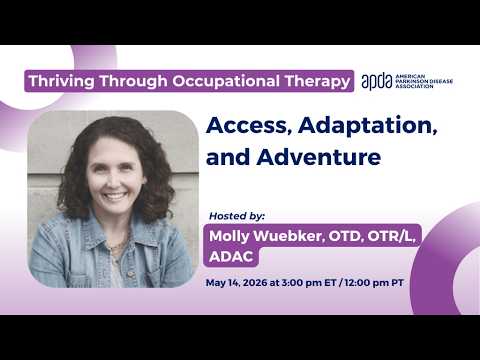
In this video, experts discuss the vital role of Occupational Therapy (OT)—a type of rehabilitation focused on helping individuals perform daily activities—for people living with Parkinson's. Unlike physical therapy, which often centers on strength and mobility, OT looks at the specific, practical tasks of everyday life, from getting dressed to cooking, or engaging in hobbies and professional work. The speakers emphasize that OT is highly personalized; therapists work with patients to assess their unique environment and goals to develop strategies that maximize independence and safety as the condition progresses.
The discussion highlights that OT isn't just about managing limitations; it is about "adaptation and adventure." This means finding creative ways to continue doing what you love by modifying how tasks are approached, using specialized tools, or adjusting the home environment. For those living with Parkinson's and their families, the key takeaway is that you do not have to wait for a crisis to see an occupational therapist. Early engagement can help establish proactive habits, identify potential challenges before they become major barriers, and keep you engaged in meaningful activities. When speaking with your neurologist or care team, ask for a referral to an occupational therapist who specializes in Parkinson's disease.